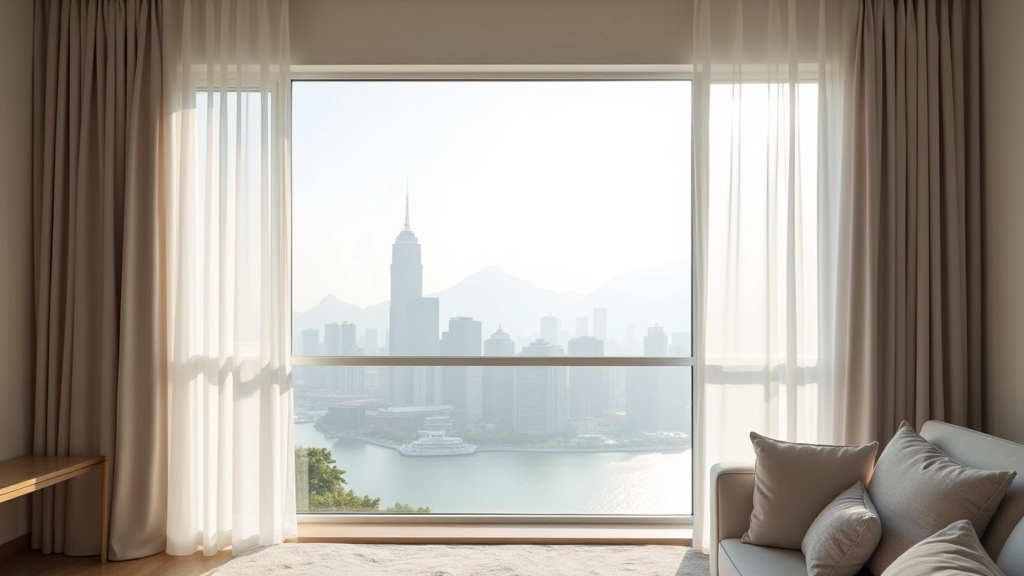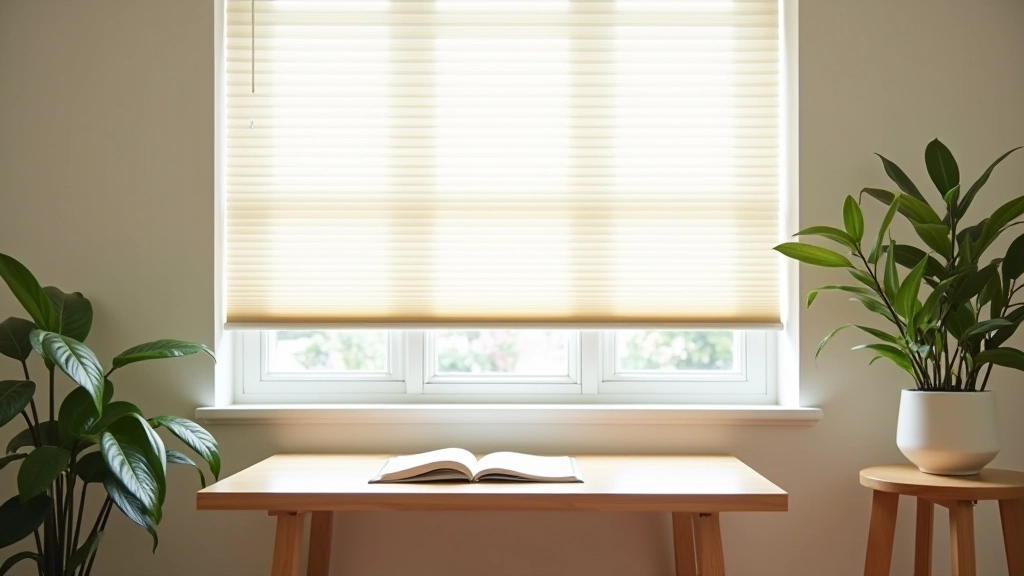
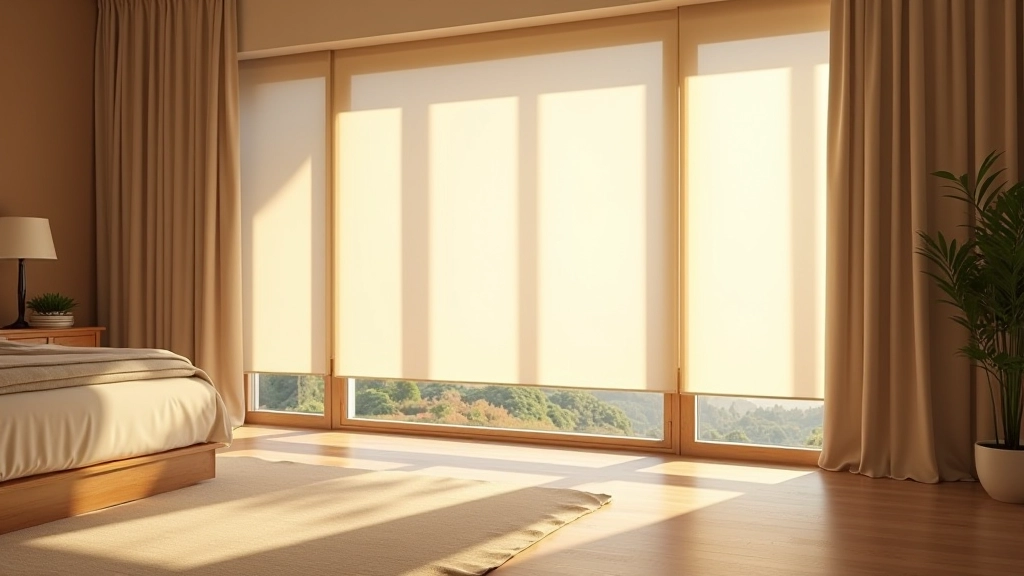
Motorized Shades vs Traditional Curtains
Weighing the pros and cons of smart window solutions for modern Causeway Bay homes. We'll help you decide if motorization is worth the investment.
Small rooms don't have to feel dark or cramped. The right window treatments and simple layout adjustments can transform any space into a bright, airy environment. We'll show you the practical strategies that work in Causeway Bay apartments and compact homes.
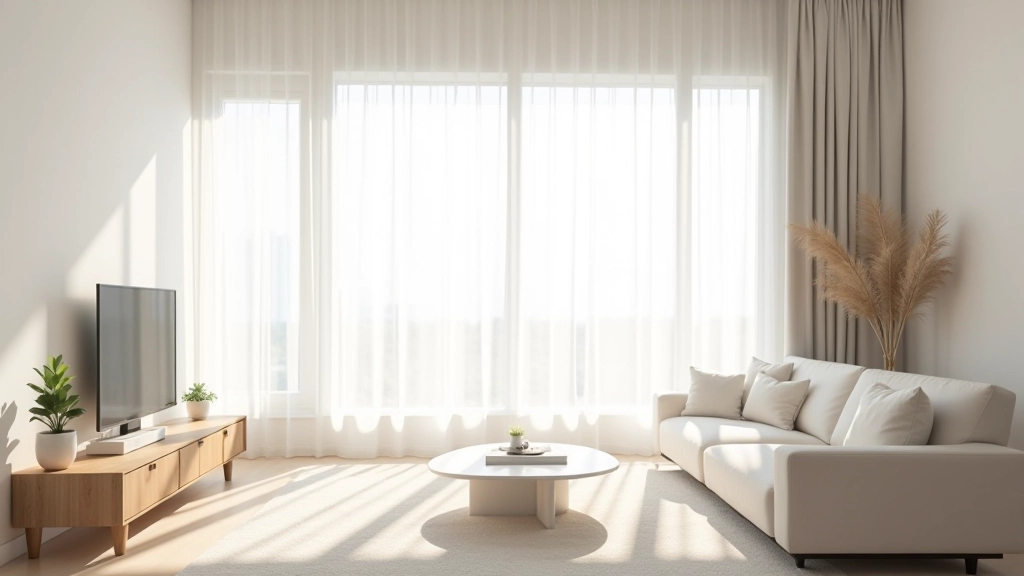
Natural light doesn't just make rooms look bigger — it genuinely affects how you feel. Spaces with good daylight exposure reduce reliance on artificial lighting, lower energy costs, and create a more welcoming atmosphere. But here's the thing: you don't need enormous windows to benefit.
Small spaces actually have an advantage. Light bounces around efficiently when there's less square footage to cover. The challenge isn't the size of your windows — it's how you treat them. A few strategic choices with curtains, mirrors, and color can make a 300-square-foot apartment feel twice as bright.
Light travels differently in small rooms. Strategic placement of reflective surfaces can multiply the effect of available daylight by up to 40%.
Your curtains and shades make the biggest difference. Most people default to heavy drapes that block 80-90% of available light. That's fine for bedrooms at night, but during the day you're essentially keeping your windows closed.
Sheer fabrics are your best friend in small spaces. They let light pour through while maintaining privacy from street level. Pair them with a lightweight linen or linen-blend material that filters rather than blocks. You'll notice the difference immediately — it's like your windows suddenly got bigger.
Mount curtain rods high and wide — even 6-8 inches above and beyond the window frame. This creates the visual illusion of larger windows and lets light travel across a wider area of your room.

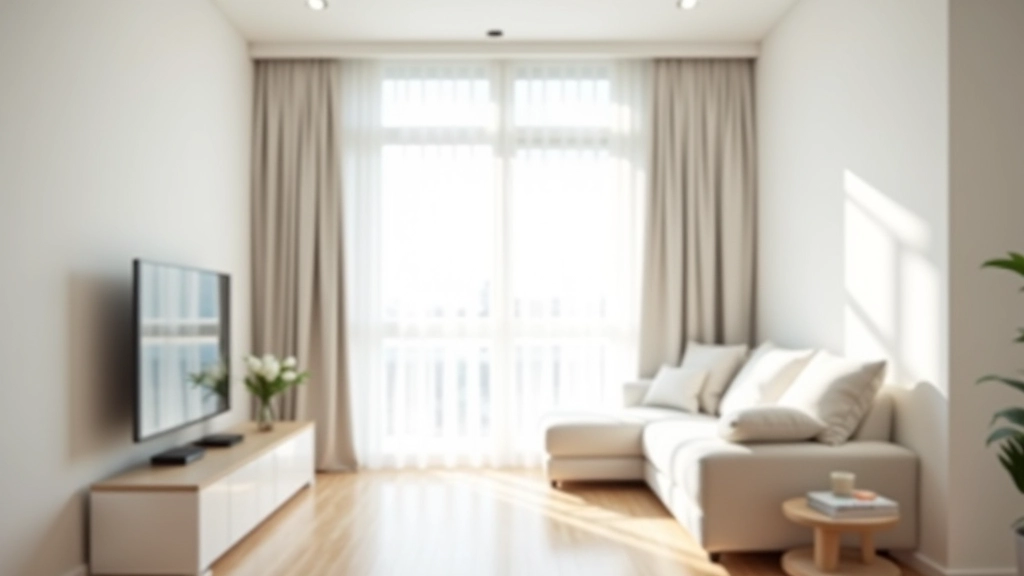
Mirrors are the hidden secret to brightening cramped rooms. Position a large mirror directly opposite or adjacent to your window — not across the room where it won't catch the light effectively. The mirror reflects daylight back into the space, effectively doubling the perceived brightness.
A 3-foot by 4-foot mirror positioned on a wall perpendicular to a window can brighten an entire corner. We've seen this technique transform a dark bedroom corner into a visible gathering spot. It's not just about reflection — it also makes the room feel larger because the mirror creates depth.
The color of your walls directly impacts how much light your space absorbs or reflects. White and off-white walls aren't just trendy — they're functionally superior for small rooms. We're not saying you need to go full minimalist, but light, neutral tones (soft whites, pale creams, very light grays) bounce light around instead of absorbing it.
Here's what most people get wrong: they think matte paint is always better. It's not. In small spaces with limited light, a soft satin or eggshell finish on walls (not semi-gloss, which looks plasticky) subtly reflects light while maintaining a sophisticated look. The difference between matte and satin on a 10x12 bedroom is noticeable — you're looking at maybe 15-20% more perceived brightness.
If you want accent color, keep it to one wall and choose darker shades for north-facing or shadowed walls. Bright colors on the wall opposite your window reflect more light than you'd expect.

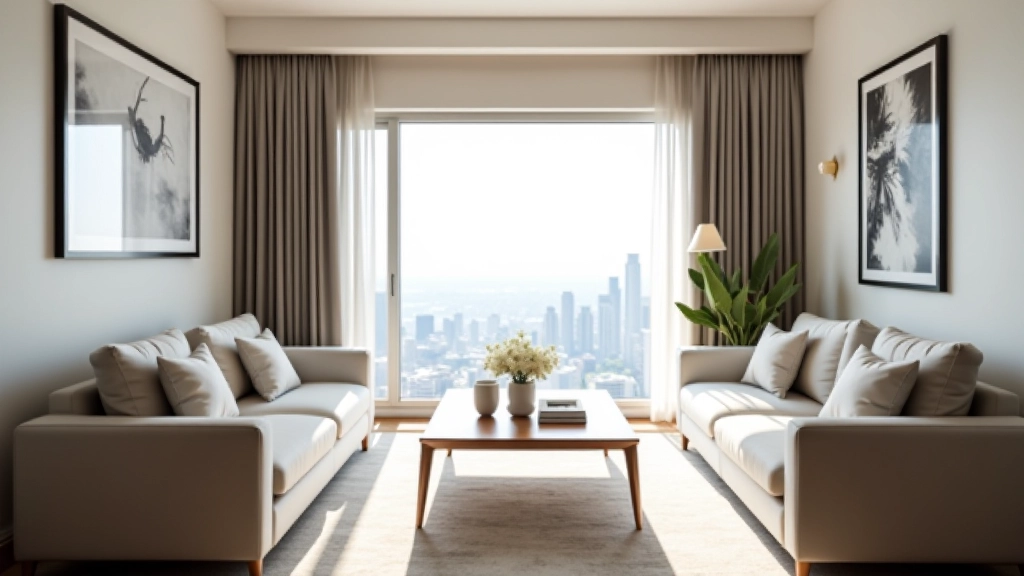
This might sound obvious, but it's worth stating: furniture blocking windows kills your light strategy. Position your bed, desk, or sofa away from windows. That open view from the main room to the window makes a psychological difference — you feel the light even if you're not standing directly in it.
Decluttering goes beyond aesthetics. Every object, shelf, and item creates a shadow or blocks light reflection. A small bookshelf in front of a window isn't just blocking the view — it's casting shadows across your entire room. We've redesigned small apartments just by moving one piece of furniture, and the brightness improvement was genuinely striking.
Keep window sills clear. That's prime real estate for light transmission. If you want plants, use a narrow shelf or hanging planters that don't obstruct the glass itself.
You don't need to overhaul your entire apartment. Start with one change: swap your heavy curtains for sheer linen, or add a large mirror opposite your window. You'll notice the difference within days. From there, consider your wall color — if you're due for repainting, go lighter and choose a soft satin finish.
Small spaces deserve thoughtful light design. The techniques we've covered here cost between $50-300 depending on what you choose, and they work in any room regardless of window size or orientation. It's not about having the perfect apartment — it's about making smart choices with what you've got.
Explore our complete guides on window treatments and discover how to layer solutions for maximum control and brightness.
Read About Layered Window TreatmentsThis article provides general information about natural light optimization and window treatment strategies for educational purposes. The techniques and recommendations are based on common interior design principles and aren't substitutes for professional design consultation. Results may vary depending on your specific room dimensions, window orientation, climate, and building characteristics. For structural changes to windows or permanent installations, consult with a qualified interior designer or contractor. Causeway Bay buildings have specific regulations regarding external modifications — always verify local requirements before making changes.