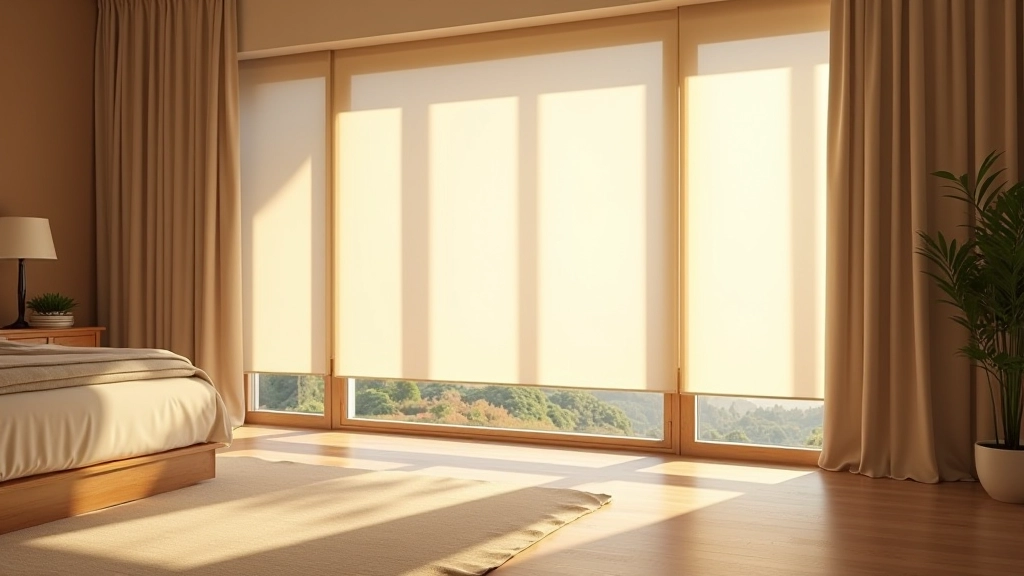
Why This Matters for Your Home
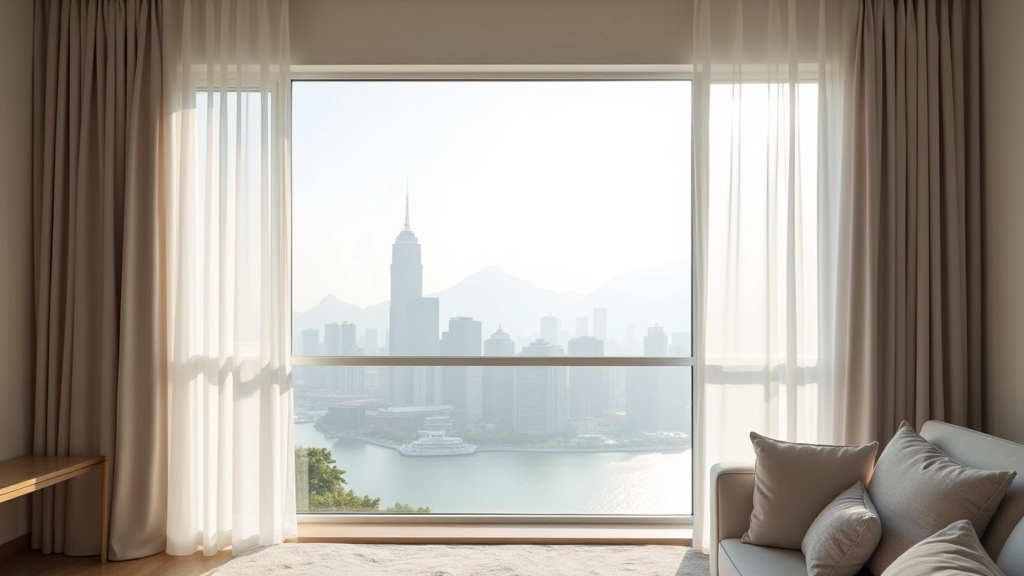
Your window treatments aren't just about blocking light—they affect your daily routine, energy bills, and how your space looks. The choice between motorized shades and traditional curtains has real implications for Causeway Bay living, where space is precious and efficiency counts.
Motorized systems have become increasingly affordable in recent years. But that doesn't mean they're right for everyone. Traditional curtains still offer genuine advantages that many people overlook. We're going to walk through both options honestly so you can make a decision that fits your actual needs—not just the marketing.
Quick Comparison
- Motorized: Convenience + Control
- Traditional: Affordability + Flexibility
- The Real Question: What do you actually use?
Motorized Shades: The Convenience Factor
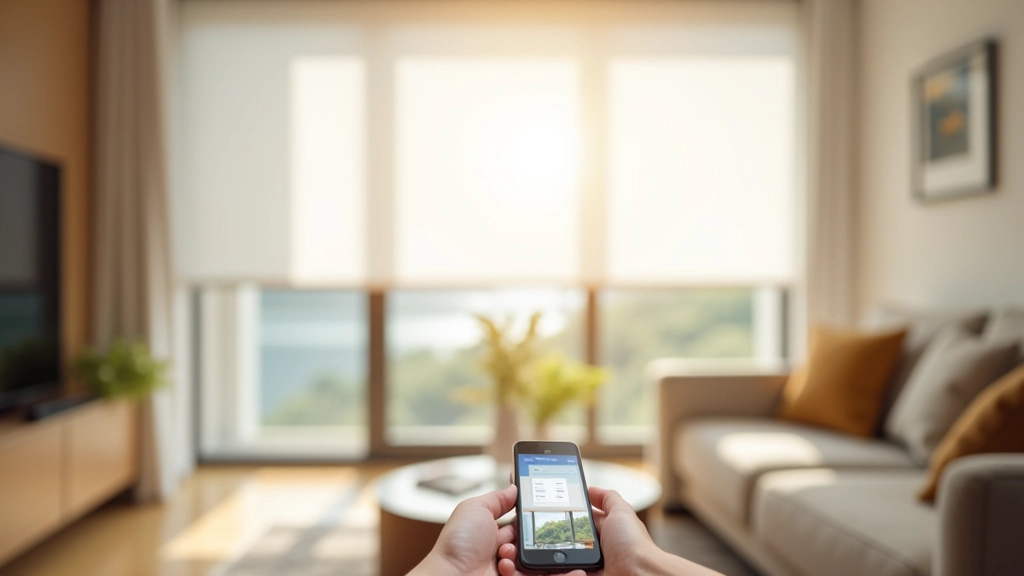
There's no denying it—motorized shades are convenient. You control them from your phone, your wall pad, or even voice commands if you're into that. They open and close on schedules. You can adjust them partially without standing on a chair. For people with mobility issues or large windows, this is genuinely transformative.
The reality though? Most people don't use them as much as they think they will. The novelty wears off. You stop adjusting them daily. They become static—just another set of shades that stays in one position most of the time.
Traditional Curtains: The Practical Reality
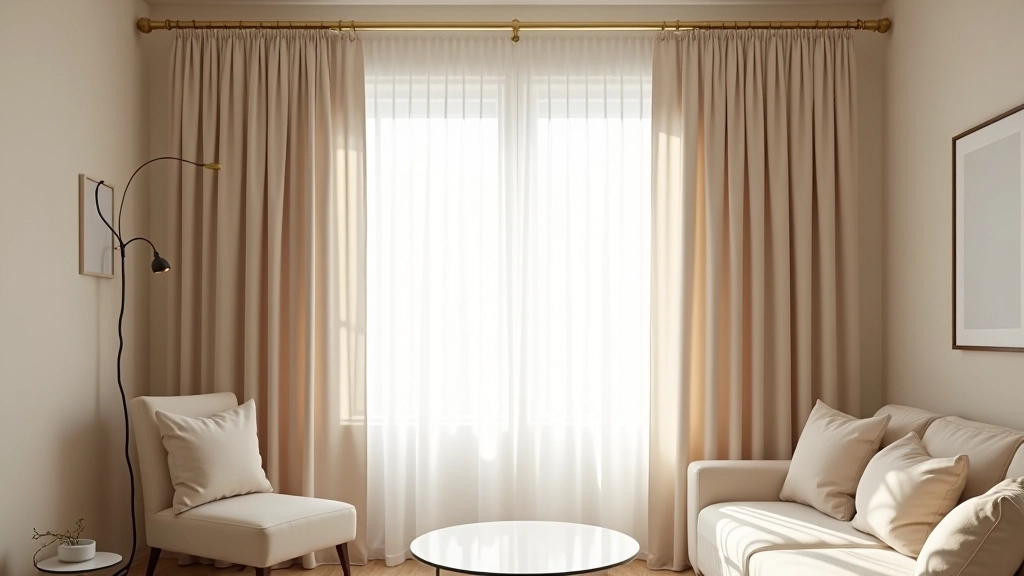
Traditional curtains don't require batteries, apps, or technicians. You pull them. They open and close. After 10 years, they still work. The mechanical simplicity is honestly underrated in a world of smart home complexity.
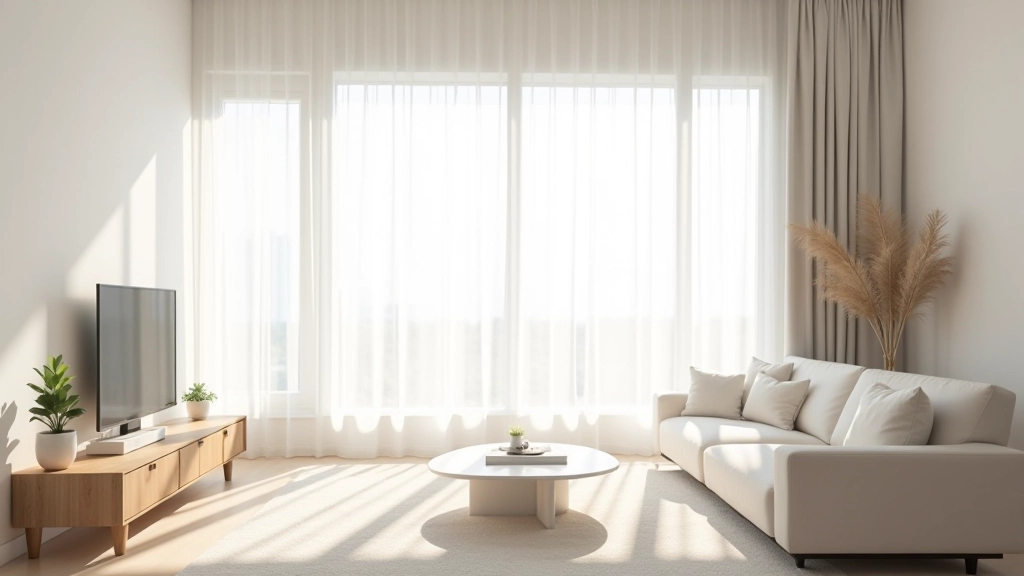
They're also infinitely customizable. Fabric weight, color, pattern, length—you've got complete control over the aesthetic. In a place like Causeway Bay where interior space is tight, the right curtains can define a room's entire character.
The trade-off is obvious: you have to manually adjust them. For some people that's annoying. For others it's not a problem—they open them in the morning, close them at night, and that's it. No daily fiddling required either way.
Light Control and Privacy: Head-to-Head
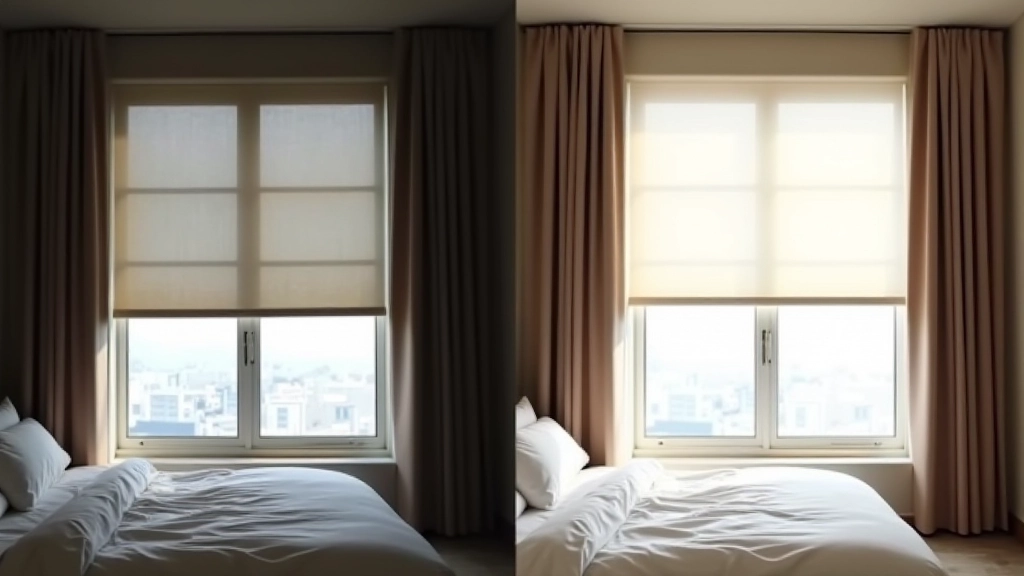
Both can block light effectively. Motorized roller shades with blackout fabric give you complete darkness—useful for bedrooms or media rooms. Thick thermal curtains do the same thing, but you're pulling them manually.
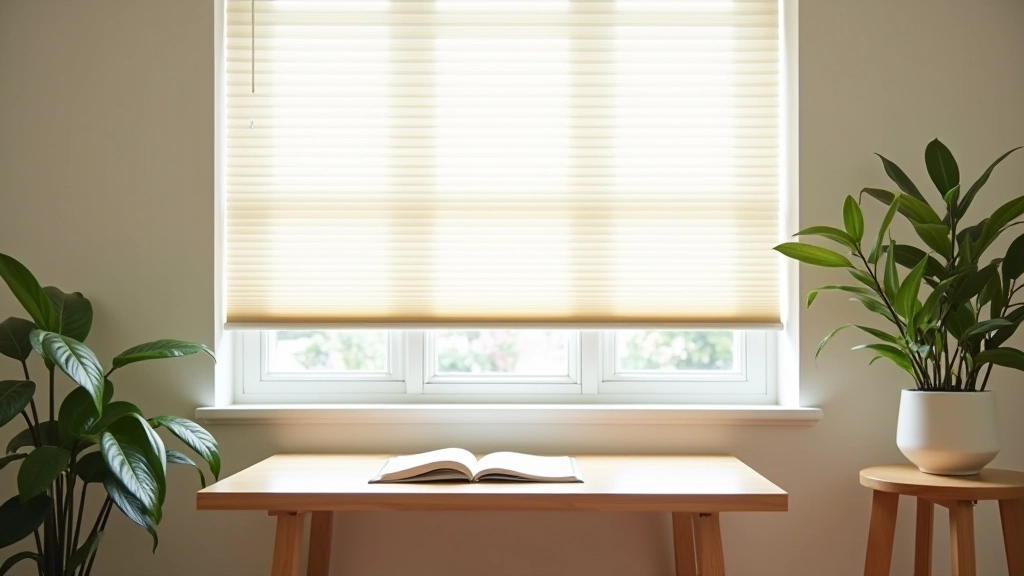
For partial control, motorized shades have an advantage. You can adjust them to exactly 30% open if you want filtered light without full privacy. Traditional curtains are more binary—mostly open or mostly closed. Unless you're constantly tweaking them, which most people aren't.

Cost Reality: Installation Through Maintenance
Here's where things get specific. A motorized roller shade system for a standard Causeway Bay window (roughly 1.2 meters wide) runs between 1,500-3,500 HKD including installation. That's per window. For multiple windows it adds up quickly. Traditional curtains for the same window might cost 800-1,800 HKD including fabric and rod, and you can often install them yourself.
Maintenance is where the real divergence happens. Curtains need occasional dry cleaning or washing. Maybe 150-300 HKD per year if you're doing professional cleaning. Motorized shades need battery replacements (50-100 HKD), occasional software updates, and potential repairs that aren't cheap.
Over 10 years, traditional curtains usually come out cheaper. But that's only if you're comparing like-for-like quality and factoring in your actual usage patterns.
Energy Efficiency: The Honest Assessment
You'll hear claims that motorized shades save energy because you can program them to close during peak heat hours. That's technically true. In practice though, it only works if you actually use that feature and maintain the schedule. Many people don't.
Traditional thermal curtains (thick, insulated fabric) provide passive energy savings. They're always working. You don't need to remember to close them or charge batteries. During Hong Kong's hot summers, heavy curtains closed during the day genuinely reduce AC load.
Making Your Decision
Here's what we actually recommend: Choose motorized shades if you're going to use the convenience features regularly. If you're someone who appreciates controlling light levels throughout the day, or you have accessibility needs, the investment makes sense.
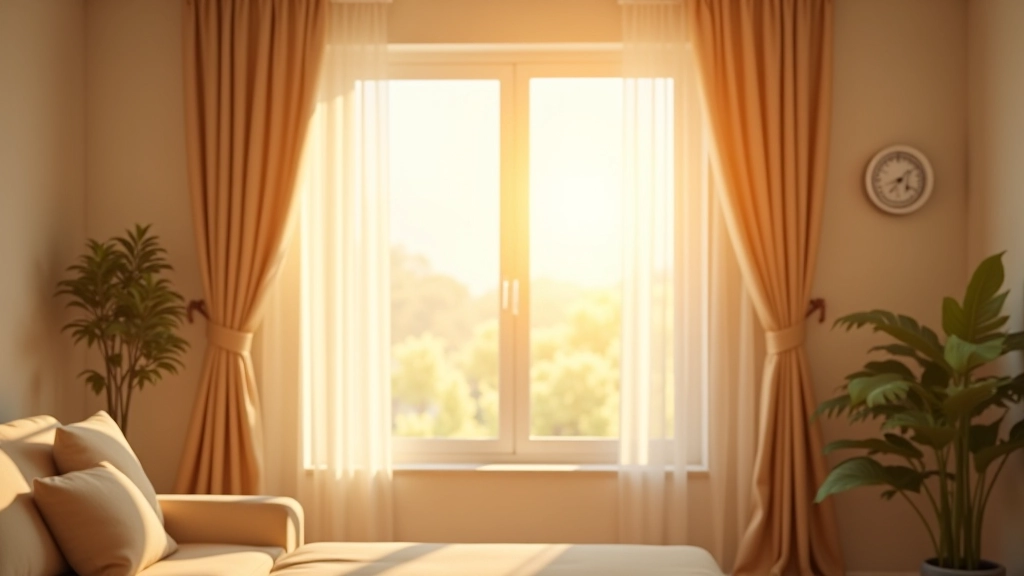
Choose traditional curtains if you value simplicity, aesthetic flexibility, and lower overall cost. They're not less sophisticated—they're just different. A beautiful set of curtains in the right fabric can transform a room in ways motorized shades simply can't.
And honestly? Many Causeway Bay homes work best with a hybrid approach. Motorized shades in spaces where you want precision control (like bedrooms for blackout), traditional curtains in living areas where you want visual impact and warmth. Mix them. Use what actually fits your lifestyle.
The right choice isn't about which is objectively better. It's about which one you'll actually use consistently, maintain without frustration, and genuinely enjoy looking at every single day.
Information Disclaimer
This article is informational and educational. Costs, product availability, and installation timelines mentioned reflect typical Hong Kong market conditions as of May 2026 but may vary by supplier, location, and specific requirements. For precise pricing and specifications for your space, we recommend consulting with a professional window treatment specialist or interior designer. Your actual costs and performance outcomes will depend on your specific window dimensions, building conditions, and usage patterns.